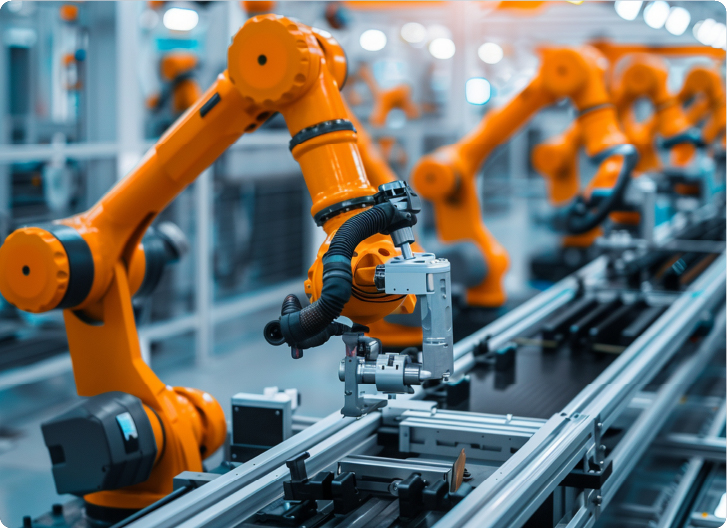
Rapid prototyping is the fastest way to turn a design idea into a real part. Instead of waiting weeks for traditional tooling, you can test fit, function, and form in a matter of days. This speed helps teams find design flaws early. Eventually, they save time and cost later in production. The main challenge is choosing the right prototyping method and material, because not every prototype behaves like the final part. If the material or process is wrong, the part may fail in testing and give misleading results.
A well-planned rapid prototyping approach removes these issues. When the process matches the product requirements, prototypes become reliable tools for decision-making. You can quickly evaluate geometry, strength, and assembly fit, and then refine the design before moving to full production. This reduces risk and improves final part quality. Rapid prototyping also supports faster innovation, because you can test more ideas without high costs or long lead times.
In this article, we will explain rapid prototyping from a practical manufacturing perspective. We will cover common prototyping methods, key considerations, and how to choose the right technique for your project.
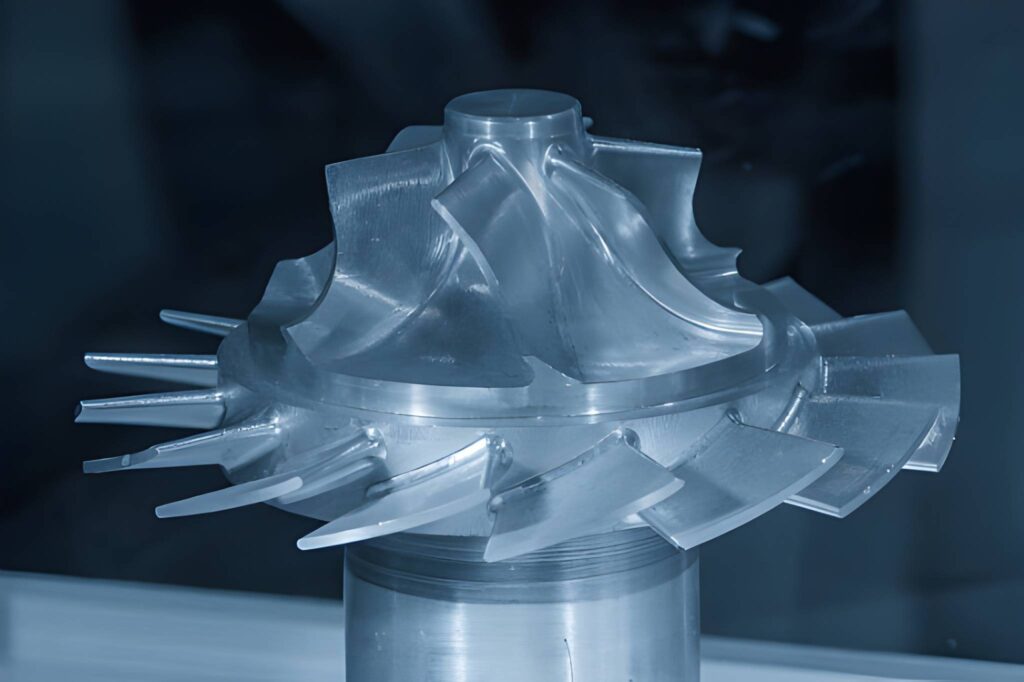
Complex Prototype Part
Rapid prototyping is the process of quickly creating a physical version of a design. Instead of waiting for full production tooling, you produce a prototype to test fit, function, and appearance. The goal is to validate the design early and catch problems before they become expensive.
Rapid prototyping employs rapid production techniques such as 3D printing, CNC machining, and sheet metal prototyping. Such processes will enable you to create components within days as opposed to weeks. The prototype is not necessarily the same material as what is going to be used in the final production, but it assists in verifying the design and enhancing it within a short period of time.
Speed is the major benefit of rapid prototyping. It allows you to experiment with various design alternatives and customize them without significant expense. It also enhances cross communication between manufacturing teams, designers, and engineers. A clean, rapid prototype assists you in going to production without worry and saves time and rework.
Rapid prototyping has a definite process of moving from an idea to a physical piece. All the stages are significant, as even a few wrong steps taken at the beginning can result in delays or low quality of the prototype. The process has a simple breakdown of stages as illustrated below.
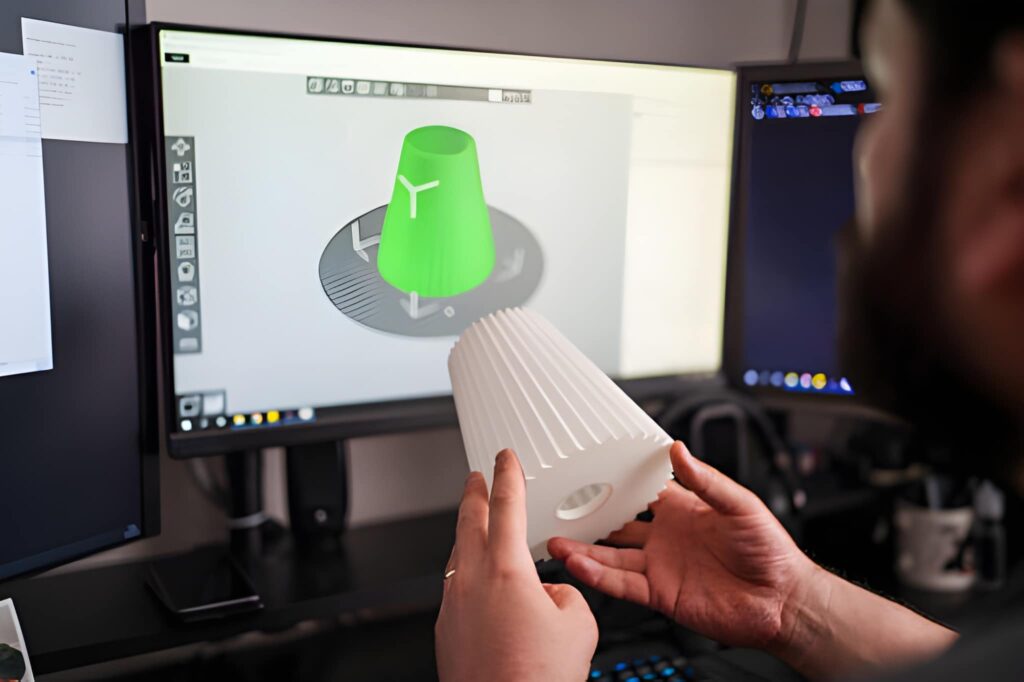
Female Engineer Holds a 3D Printed Lamp Prototype
Design concept and requirements are the beginning of the process. You establish the role, the fit, and the anticipated load. Design manufacturability also comes under this stage. In case the geometry is complex and thin-walled, it can lead to problems in prototyping. The fast inspection now will save time in the future and will enhance the quality of the final prototype.
The design is then transformed into a computer-aided design. The model should contain proper dimensions, tolerances, and significant characteristics. The file is then ready to be manufactured. This involves examining gaps, non-manifold edges, or thin areas, which may cause failure during printing or machining. A pure CAD file makes sure that there is a prototype similar to the desired design.
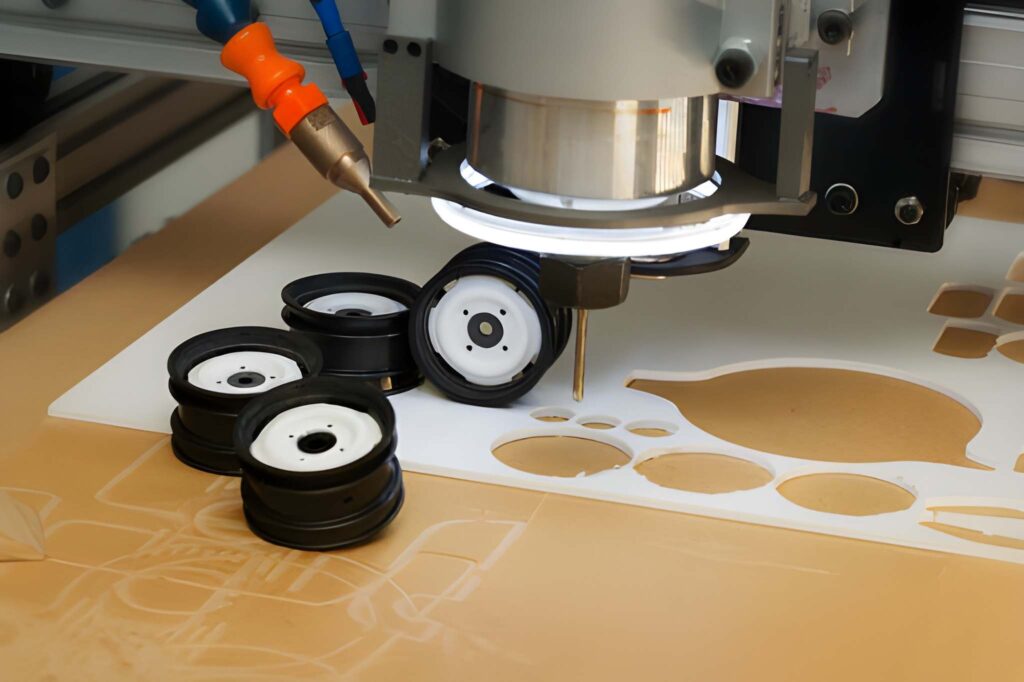
ABS Wheel Design Prototypes
This step determines the way the prototype will be fabricated and the material to be used. The choice is dependent on the part role. In the case of visual prototypes, a material such as ABS or PLA can be sufficient. In the case of functional prototyping, nylon, aluminum, or stainless steel can be required as stronger materials. The type of manufacturing method selected depends on the complexity of parts, the accuracy requirements, and the budget.
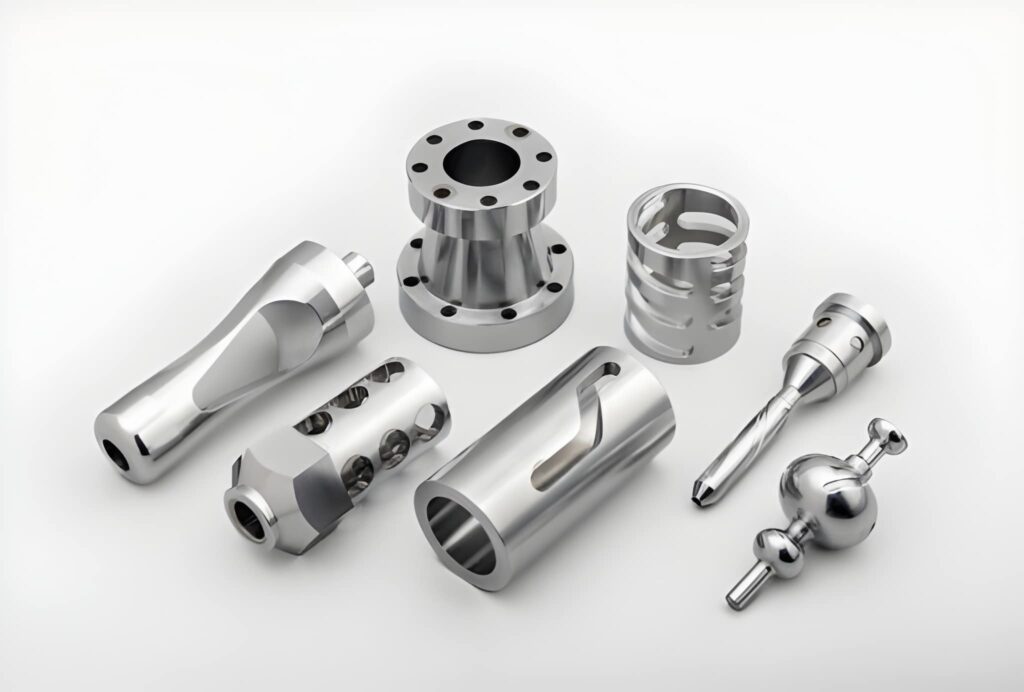
Precision Machined Metal Parts for Engineering Applications
After deciding on a method and material, the prototype is ready to go to production. In the case of 3D printing, it involves part-setting, part-orientation, and file-slicing. In the case of CNC machining, toolpath planning and fixturing are involved. The process selected is then used to make the part. At this phase, accuracy is emphasized, as well as eliminating warping and good surface finish.
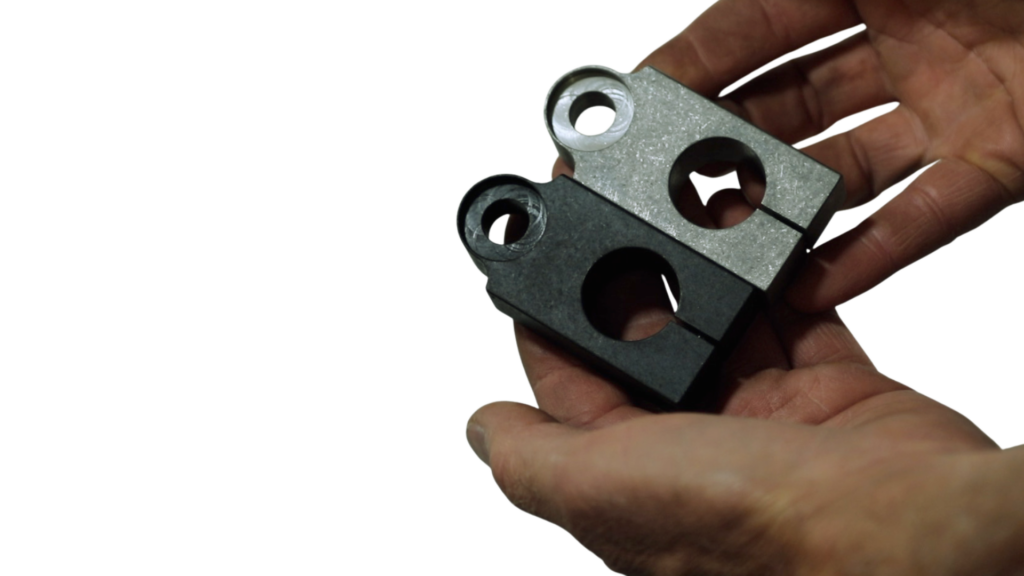
Black Oxide Coated Stabilizer
Once made, the prototype is finished; this can be sanded, polished, deburred, or painted. This step is then checked in terms of dimensional accuracy and fit. Any arising problems are recorded, and the design is modified where necessary.
Rapid prototyping depends on the methods, depending on the complexity of parts, the required material, and the accuracy. Every method possesses its advantages and disadvantages. The most applicable and more widely used methods are as follows, which are explained in simple terms.
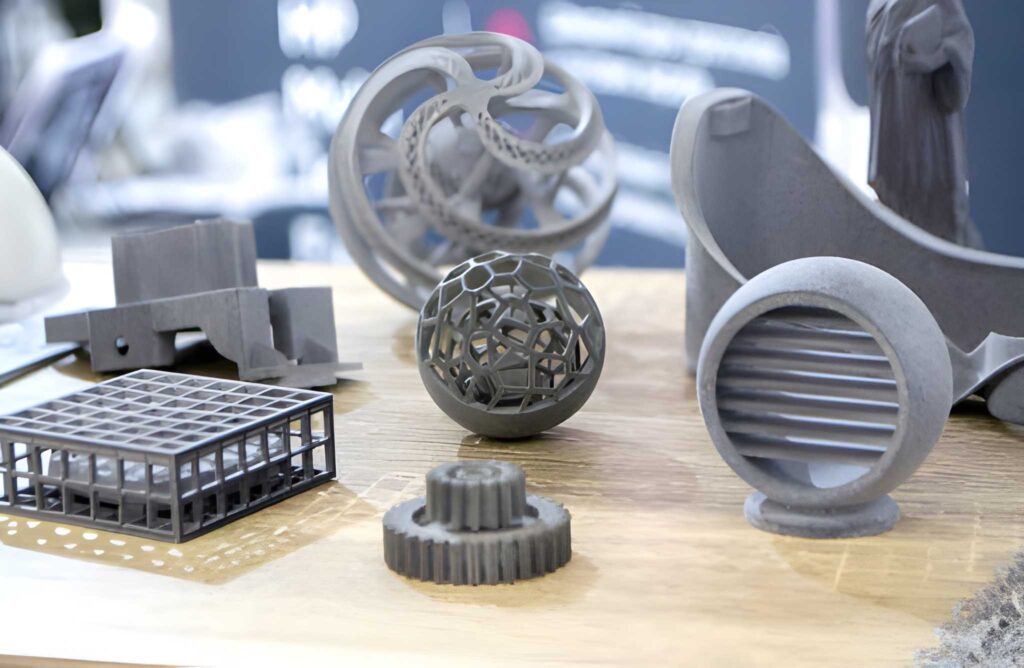
3D Printed Prototypes
3D printing is the technique that creates a part out of a digital model in layers. It is the quickest method of tool-free creation of intricate forms. It is suitable for visual models, functional prototypes,s and hasty design tests. But it all depends on the material and type of printer that results in surface finish and strength. Accuracy requires post-processing or alternative printing technologies to be high.
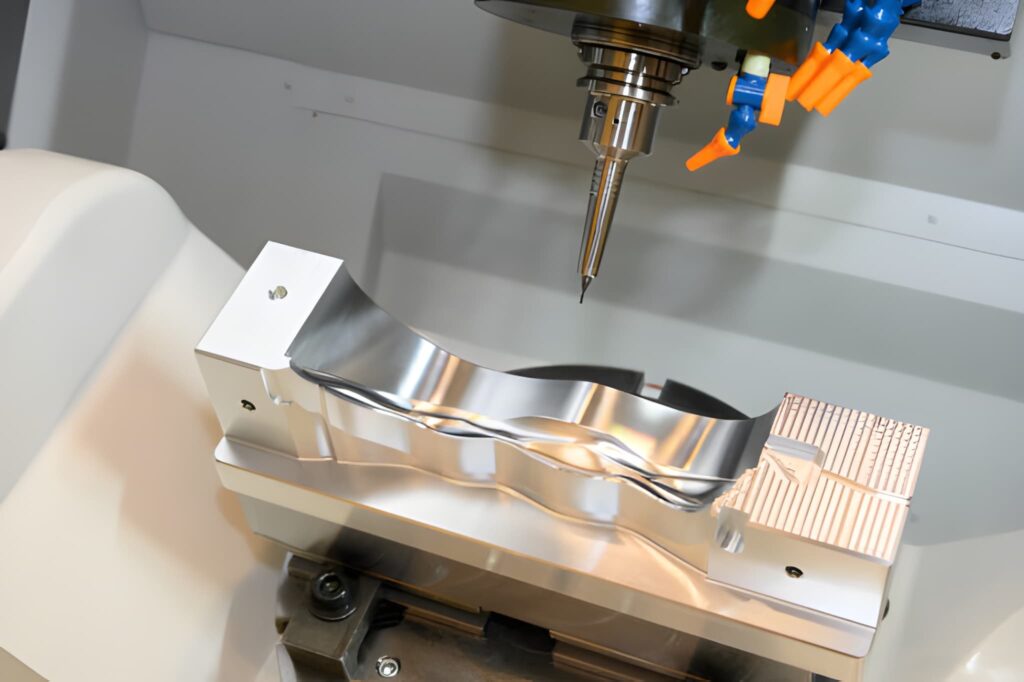
5-axis CNC Machining Prototype
CNC machining is used to carve out a part of a solid block to produce the part. It forms good prototypes and high accuracy, particularly in metal. CNC would be best in cases where close-to-final material properties are required, and tight tolerances are demanded. The disadvantage is that internal shapes might be intricate and complex, and it can prove to be more costly than 3D printing.
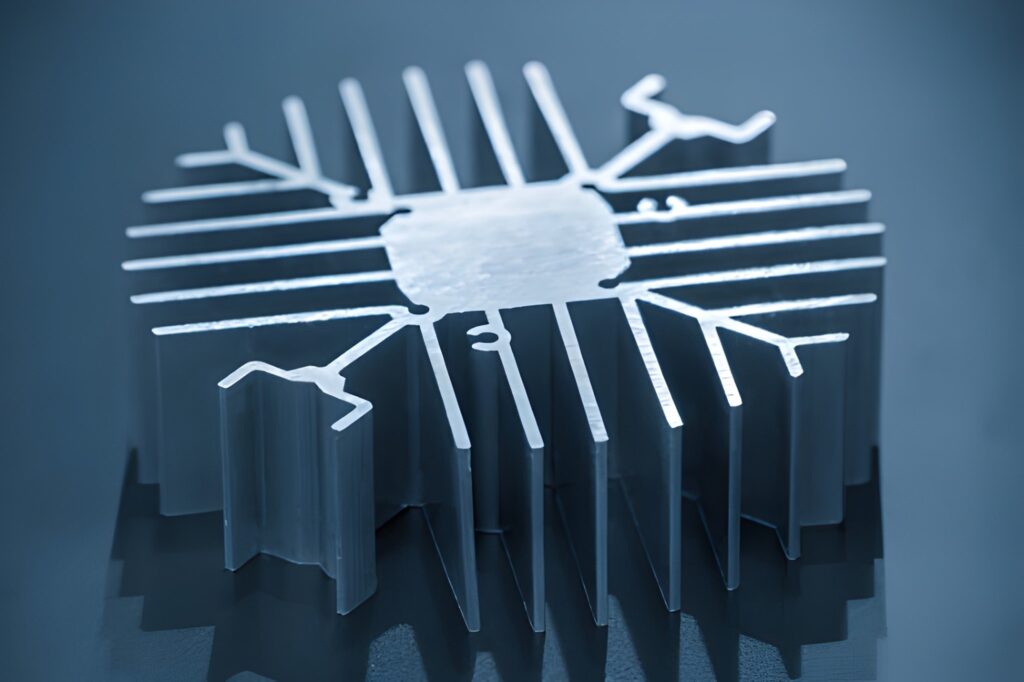
Aluminum Sheet Metal Heat Sink
Parts such as brackets, enclosures, and panels are done through sheet metal prototyping. There are steps of cutting, bending, and forming. It comes up with prototypes that are close to the final parts of production. Prototyping of sheet metal is best for testing fit, assembly, and strength in metallic components.
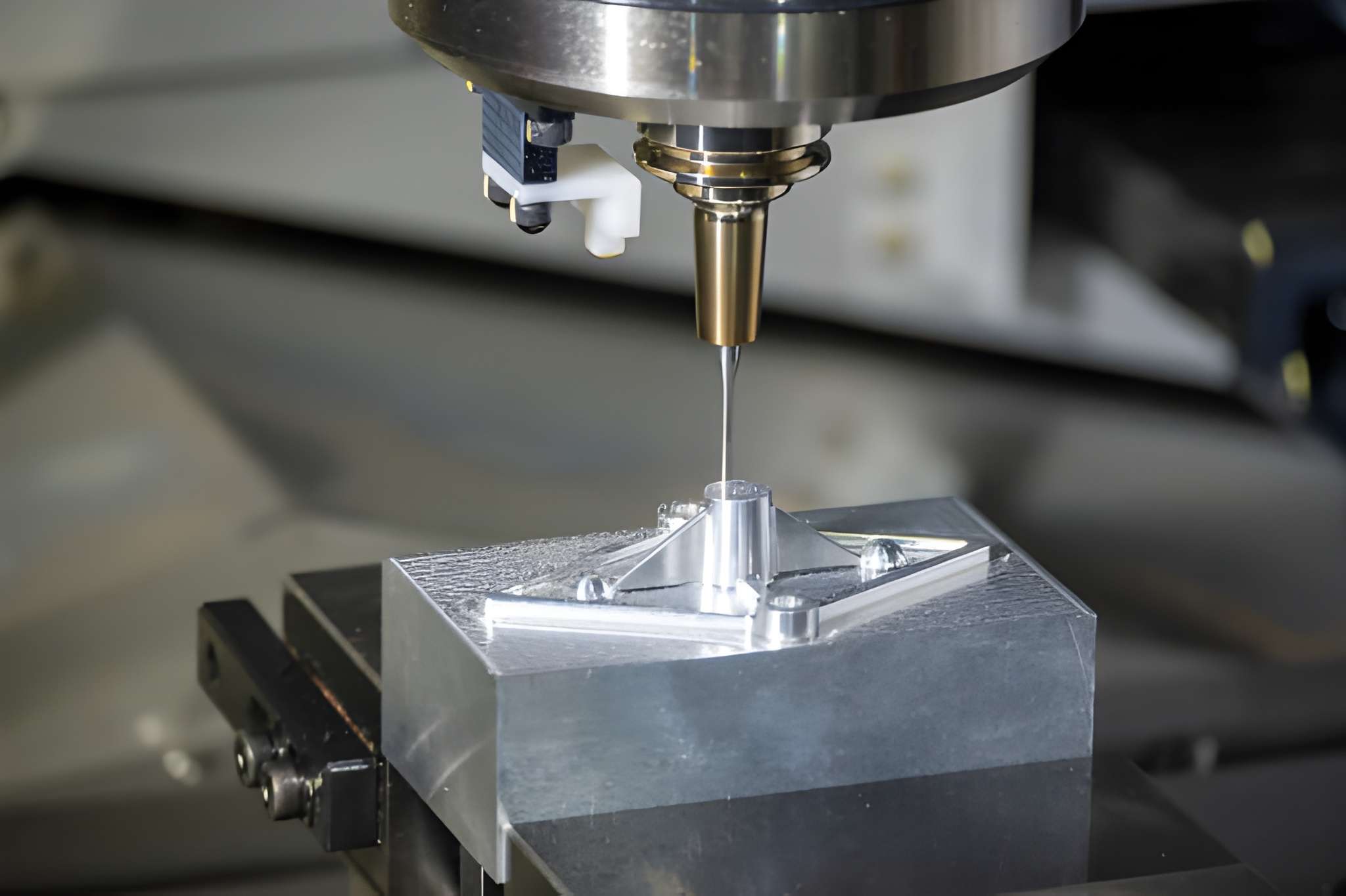
Rapid Prototype Machining
Rapid tooling is used to develop tools used in small-batch manufacture. It involves rapid molds or dies that are used to make parts in plastic or metal. The method is applicable when you require a small quantity of parts to be run out before large-scale manufacturing. It assists in testing the manufacturing procedure and confirming the design prior to spending a lot on costly tooling.
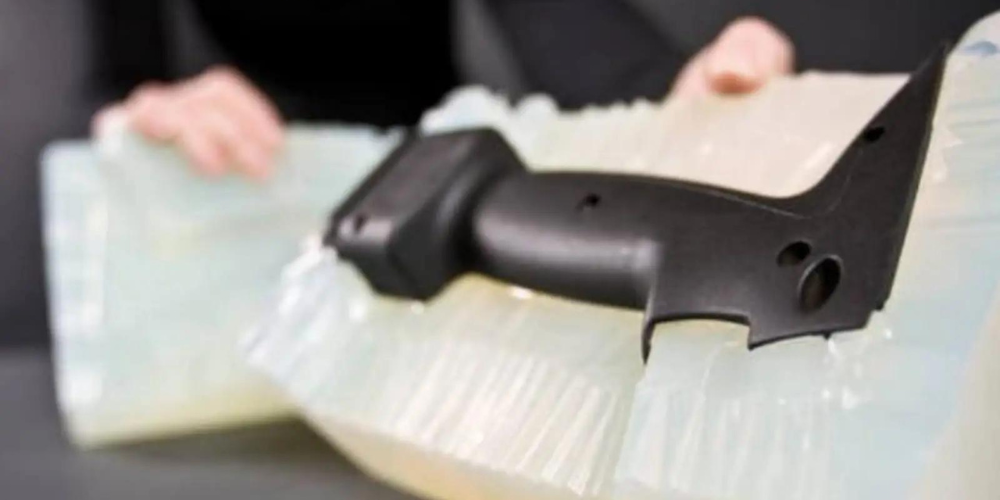
Molds and plastic products
Vacuum casting is based on the use of silicone molds to create parts out of polyurethane or resin. It best suits low-volume production and prototypes that are good in terms of surface finish. It is able to reproduce complicated forms and textures. It is also cost-effective in small batches and assists in testing parts before final tooling.
Rapid prototyping provides real parts and is fast, thus assisting in making better decisions at the start. It is not just about speed. It is also risk-averse, enhances the quality of products, and provides an accelerated cycle of development. The following are the most viable advantages of rapid prototyping.
Rapid prototyping allows you to test fit, work, and assemble fast. You will be able to see whether parts fit, whether tolerances are functioning, and whether the design is comfortable in real life. This minimizes guesswork and avoids design failures at the end of the design phase.
Early development of prototypes will help you find out the design problems earlier, before you start to invest in tooling or production. Maintenance of problems following tooling can be extremely expensive. Rapid prototyping enables many design cycles in a cheaper way, particularly when 3D printing or low-volume machining is performed.
Physical prototype facilitates increased sharing of the design with teams, clients, and stakeholders. It enhances communication in the sense that individuals can see and touch the part. This will minimize misunderstandings and shorten approvals. It is also useful in ensuring that the engineers receive real feedback from actual users.
The development cycle is reduced with rapid prototyping. You can more quickly get to production with a faster validation and reduced redesign. This is particularly so in competitive industries where speed is the order of the day. The bigger the speed of the iterations, the less time you are going to take to launch the product.
Prototyping can be used to test the performance and the durability before production. You are able to know weak spots, stress spots, or assembly problems at an early age. This makes it a more dependable end product. It also eliminates scrap and rework during production.
The application of rapid prototyping in most industries is due to its capability to enable any team to test ideas within a short time and minimise risk. The standard industries are based on the prototypes to validate the design, trial test, and rapid development. The following are the key markets where prototyping would be most useful.
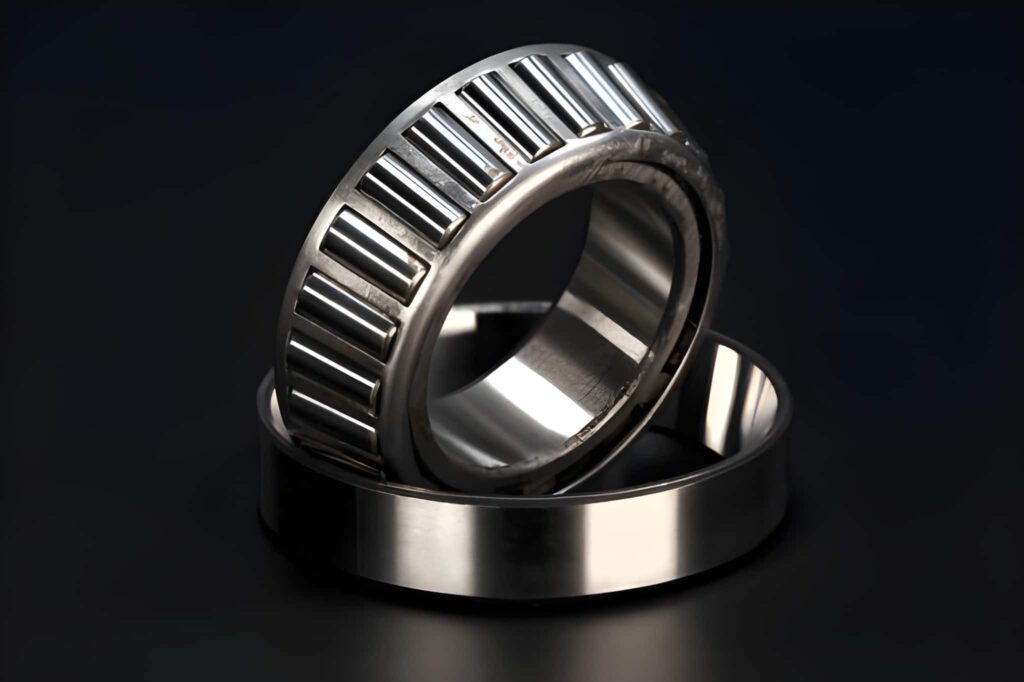
Machined Automotive Bearing
The automobile industry applies prototypes in such parts as brackets, panels, fixtures, and interior parts. Prototyping assists in checking the fit, assembly, and durability before a large-scale production process. It is also conducive to quick design modification in the course of product creation.
Aerospace is a field that focuses on the use of prototyping because there are strict performance and safety-related requirements. Structural parts, brackets, housings, and assemblies are made of prototypes. The process can be used to test intricate geometries and lightweight designs before costly production tooling.
Prototypes are used by the medical device companies in functional testing, ergonomic testing, and compliance with regulations. Prototypes can be used to test the fit, performance, and sterilization of parts. They also encourage the premature testing of medical tools and equipment.
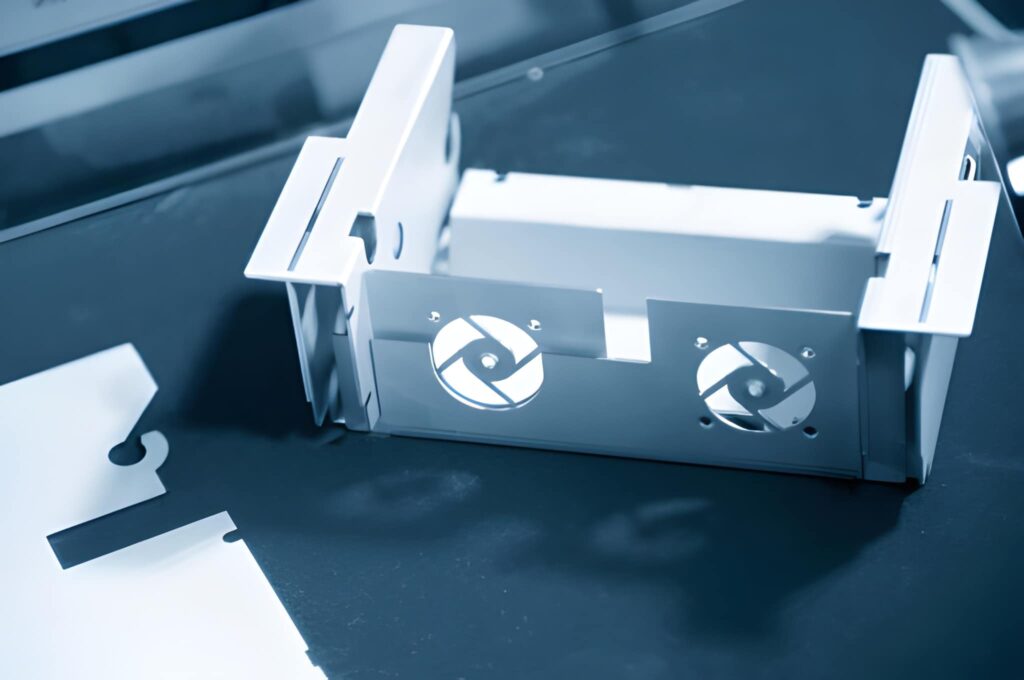
Sheet Metal Power Supply Box
The prototypes in electronics are utilized in enclosures, mounting brackets, and internal parts by the manufacturers. Prototyping can be used in testing fit, thermal performance, and assembly. It also helps to achieve rapid product design and package modifications.
Machine builders use prototyping to check the viability of parts such as housings, gears, and custom fixtures. The prototypes ensure verification of the design before mass production. This saves time and enhances the reliability of the end product.
The process of rapid prototyping is quicker; however, it is associated with actual difficulties. These factors may influence the precision, the behavior of materials, and the value of the prototype in general. Being aware of the challenges enables you to plan and select the appropriate process.
Prototypical materials do not necessarily act as actual production materials. A large number of 3D printed plastics are not as strong, heat-resistant, or have the same surheat-resistant the final piece. This may result in wrong test results or false performance feedback. The correct material to be used in the prototype should be selected to prevent this problem.
Rapid prototyping has the ability to provide fast parts; however, the accuracy relies on the process used. 3D printing usually has less strict tolerances than CNC machining. The prototype might need extra finishing or even an alternative process of production in case there is a necessity for tight tolerances. This may raise the time and expense.
Other prototyping techniques expose layer lines, rough finishes, or small flaws. This is common in 3D printing. In case the prototype is required to demonstrate the final aesthetics, there are other finishing processes, such as sanding, polishing, and coating, that could be involved. These steps add time and cost.
The production of high-quality prototypes that replicate production materials normally demands CNC machining or highly advanced printing. These are more costly and time-consuming than simple prototyping. In case the project requires several iterations, costs may increase fast.
The key to product development is having the correct partner when it comes to rapid prototyping. A good company will assist you in the quicker testing of ideas, will not lead to exploring redesign, and will move to production. These are workable tips in the real world to pick the right partner.
Before making any calls, determine what you require from the prototype for any company. Should you be strong and accurate, or just a visual mock-up be sufficient? Which materials and tolerances are important? Ensuring requirements aid in the assessment of vendors and preventing misfits in the future.
An effective prototyping firm must not have a single approach, but must have many choices. Expect 3D printing, CNC machining, sheet metal prototyping, and rapid tooling. An operator that has a variety of different approaches will be able to align the most suitable process to the requirements of your part, rather than imposing a single approach on all jobs.
Inquire about their work with plastics and metals, and their ability to print parts that are near end-of-production quality. And when theend-of-productionare prints, yet you require something to have a functional test on, you are likely to require a different shop.
An excellent rapid prototyping partner would present actual samples of previous work. Find components like yours of similar complexity, size, and functionality. Request part-fit case studies or photos, surface finish, and post-processing.
Also, note whether they have a grasp of actual factory issues such as warping, surface finish limits, and tolerance stacks. The issue is that in case a company simply prints parts and does not have any engineering support, it might overlook the important issues.
The choice of materials is an issue in prototyping. An excellent shop will assist you in the choice of the right material according to the purpose of your prototype. As an illustration, they must inform when aluminum is superior to ABS plastic or when there is a need for engineering resins. When a vendor can’t explain the reason why a material is appropriate in your application, then it is a red flag.
The finest prototyping firms do not simply operate machines. They go through your design and give comments. Ask them whether they provide free analysis of DFM (Design for Manufacturing) prior to manufacture? Effective feedback will allow the identification of problematic aspects in their initial phases and save time and costs in the future.
The process of prototyping is quick in nature, hence lead times ought to be transparent and predictable. An effective business will provide schedules, equipment requirements, and possible bottlenecks early. They are expected to respond to questions promptly and clarify decisions using simple words.
Do not deal with suppliers who provide unclear responses or lead times that are difficult to predict, because any delay in prototyping will cause a delay in your entire development process.
Ask them to provide a detailed quote that includes setup costs, materials costs, and post-process costs. An excellent company will be open and not have any concealed costs. They are expected to tell why some decisions, such as a specific material or surface finish, influence cost and time.
Assuming that you can, visit the prototyping facility or request to see machines in action on video/photos. The presence of equipment, CNC machines, laser cutters, and fiber printers at the workplace makes the capabilities and workflow reliable.
If you need a fast and reliable prototyping partner, Apexrapid can help. We focus on practical, real-world results. Our team works with both plastic and metal prototypes, using 3D printing, CNC machining, and sheet metal prototyping. We also support rapid tooling when you need low-volume production before full-scale manufacturing.
At Apexrapid, we don’t just make parts. We review your design and provide free DFM feedback, so you can avoid common issues early. Our pricing is clear, with no hidden charges, and we share realistic lead times before work starts. If you share your drawing and requirements, we will respond quickly with a transparent quote and a simple plan to move your project forward.

OBJ vs STL Files Formats: What’s the Difference

HDPE VS. PP: Strength, Machinability, and Applications

Brass Vs Copper for CNC Machining: Which Material Is Best

CNC Plastic Machining: Plastic Selection, Machining Processes & Key Applications

A Complete Guide to Aluminum Sheet Metal Fabrication

Deep Hole Drilling: What It Is & How It Is Done?