Copper and brass are predominantly used in CNC machining. Outside, they might look alike, but inside, they are dissimilar, which creates confusion. In turn, Engineers and designers might lack success in material selection.
The peculiar difference, such as hardness, make-up, and machining nature, makes them not act the same way. These variations have a direct influence on performance, cost, and the lifespan of parts. Ineffective outcomes are the consequences of incorrect material appropriation.
A clear technical comparison is the beginning of the right choice. Knowledge of properties, applications, and limitations makes decisions less complicated. Formal analysis aids in the alignment of material performance to your project requirements.
Apexrapid assists you from the beginning of material selection. The CNC standpoint guarantees high-quality and dependable performance. You receive parts that are to specifications, not requiring any rework or delay.
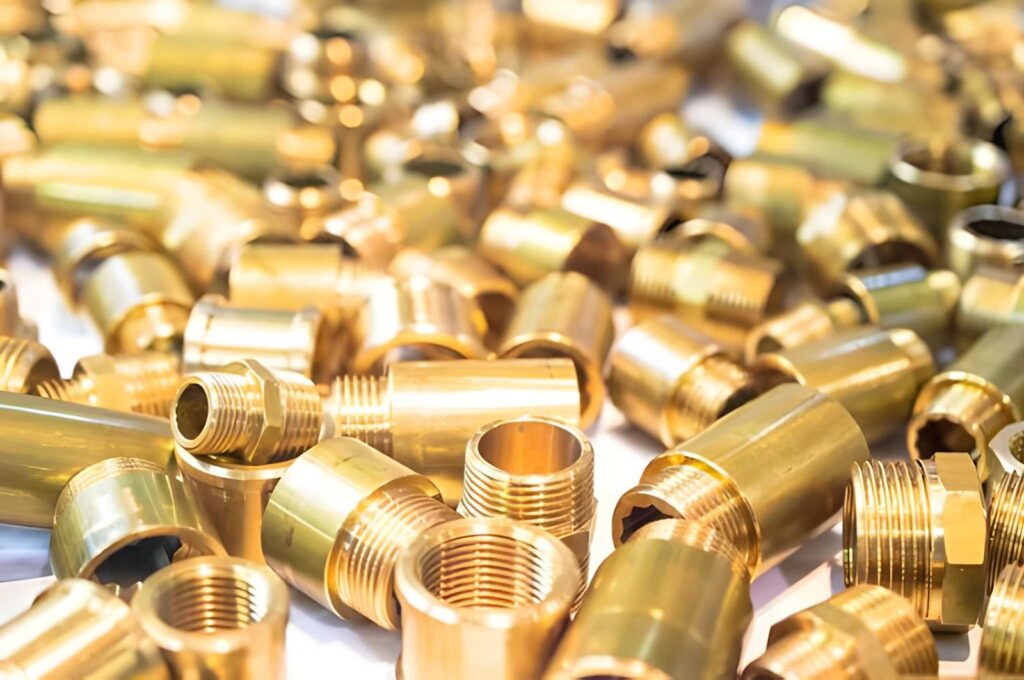
Machined brass connectors
A Brass vs Copper comparison can be done based on the material properties and grades employed for industrial use.
Brass is a composite of copper and zinc alloy, in which copper is 60% and zinc is the primary added component. Other metals can also be added in small quantities to enhance strength or resistance to corrosion. Depending on its structure and composition, brass can be classified as basic, mixed, or specialty. This versatility renders brass applicable to a variety of industrial and mechanical applications.
Brass grades are chosen depending on the requirements of the usage.
Copper is a pure metal that is denoted by the symbol Cu. Copper that is of high purity has over 99 % percent copper. It provides good electrical and thermal conductivity as well as good corrosion resistance. Due to such characteristics, copper is extensively applied in electrical networks, structural elements, and decorative solutions.
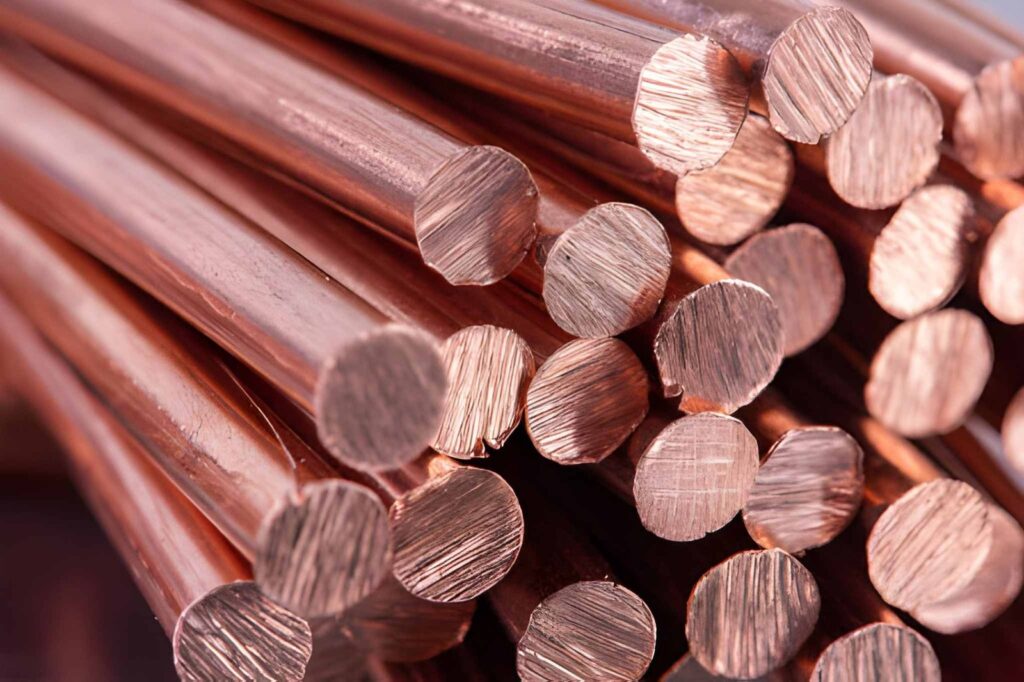
Copper rods for machining
There are different copper grades in terms of purity and performance.
The decision on whether to use brass or copper is determined by your purpose in the project. The brass is used where it is necessary to have easy machining and appearance. Copper is the best in terms of where the conductivity and durability are the most important.
Table: Copper and brass properties
| Key points | Copper | Brass |
| Corrosion Resistance | Medium | High |
| Raw Material cost | High | Medium |
| Mechanical Strength | Low-Medium | Medium |
| Thermal conductivity | Very high | Medium |
| Setup Time | Medium | Short |
| Cycle Time Efficiency | Low | Very high |
| Batch Suitability | Specialized, low-batch | Small to mid-batch |
| Machineability Index | 20-30 | 150 |
| Applications | Electrical components | Valves, connectors, aesthetic parts |
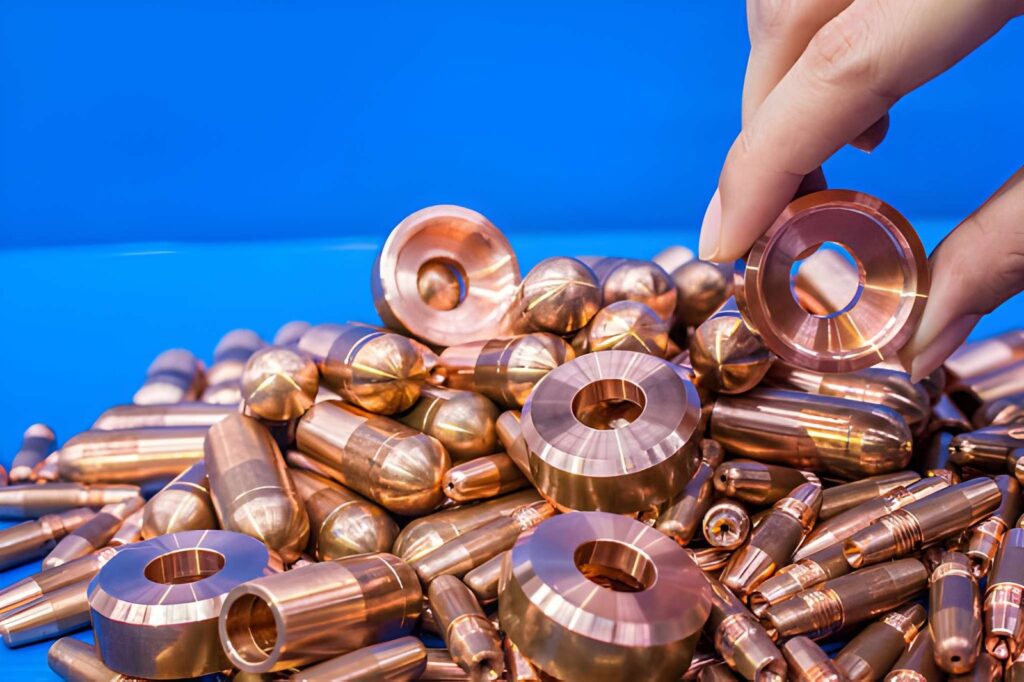
Copper machined lids
The copper and brass life span depends on the environment and usage. Moisture, chemicals, and mechanical stress are also crucial factors. Every material is optimally used in various environments.
In this case, copper has very good corrosion resistance, particularly in wet or harsh environments. This renders it very appropriate for piping and fluid systems. Copper has a tendency to survive longer than brass in corrosive environments, and it performs consistently with time.
Compared to copper, brass is more resistant to wear, as well as stronger. This renders it a lasting option for parts subjected to mechanical pressure. Nonetheless, brasses containing a high amount of zinc can crack under conditions of corrosion.
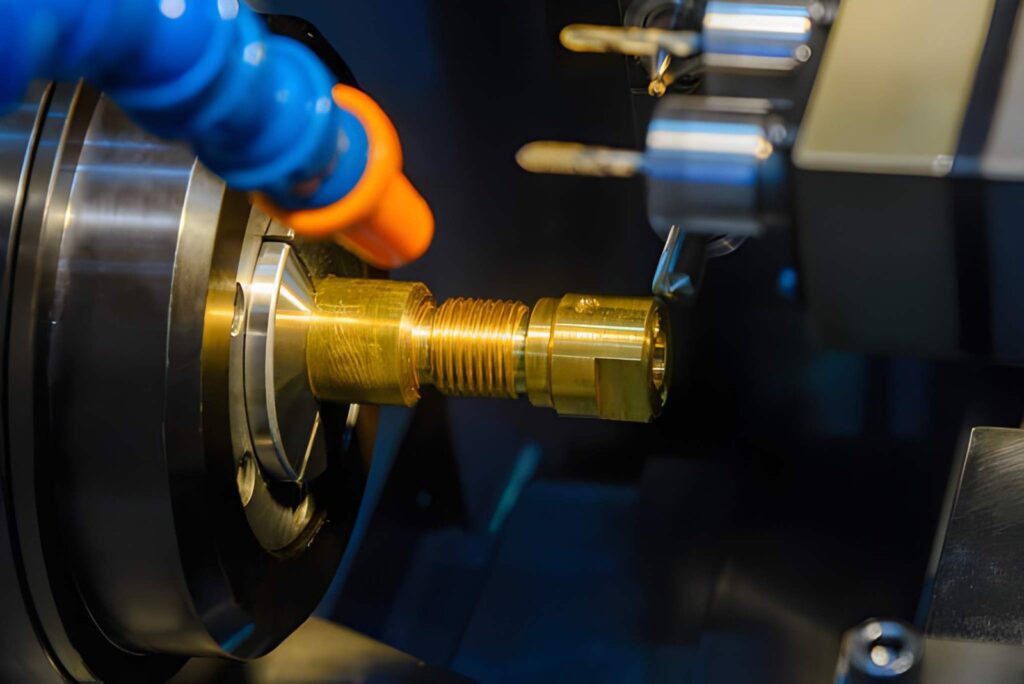
CNC turning brass fitting part
Copper and brass have contrasting effects on CNC machining and actual part performance. If we compare brass vs copper strength, brass is stronger and harder, and it is used in hard-wearing parts like hardware and plumbing fittings. Copper is less hard and can be used in applications regarding thermal conductivity.
Both are easily machined. However, the brass is a little harder and generally requires more time to cut. The selection of machining frequently varies based on the geometry of the part, requirements in terms of tolerances, and the type of operation. Every material is capable of providing the correct results when combined with the appropriate operation.
Brass is usually more resistant to corrosion, particularly under severe conditions. This is appropriate for components that are subject to moisture or chemicals. Copper continues to be effective in resisting corrosion; however, brass provides extra security in more adverse environments.
Material choice can also be affected in terms of appearance. The tone of copper is reddish-brown, whereas the tone of brass is golden-yellow. These pictorial contrasts are important in exposed or decorative areas. The choice will be copper or brass based on performance requirements, machining, and aesthetic considerations.
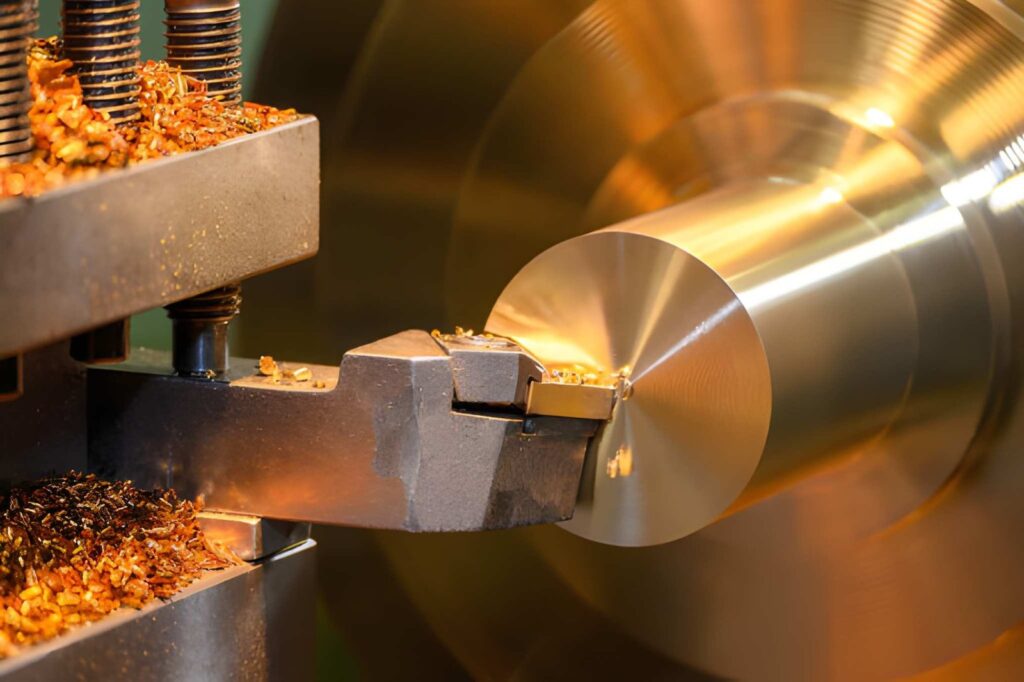
Brass shaft turning
The selection of the material that you will use in your CNC project is determined by the functionality and performance of the part. The establishment of the correspondence of material properties to application requirements provides dependable outcomes.
The choice between copper and brass implies compromising between performance, looks, and price.
The numerous applications and uses of copper vs brass, including color, durability, strength, and ease of use in numerous industries, are discussed under:
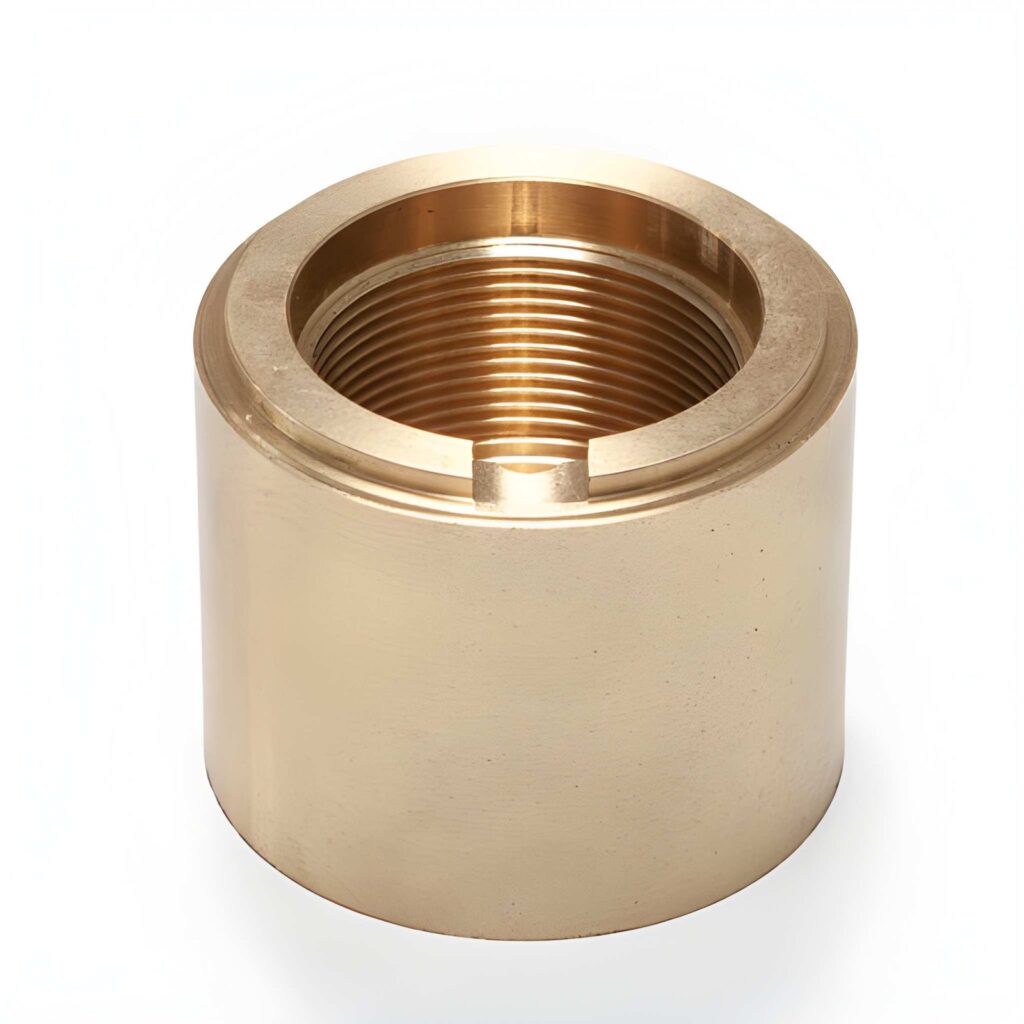
Cylindrical brass part with internal threads
The characteristic of brass that has made it useful in various industries is its strength, resistance to corrosion, and a beautiful golden look.
Instruments such as trumpets, trombones, saxophones, and tubas are made using brass since it can be easily shaped, and the sound produced is very clear and resonant. Red and naval brass are also the most suitable materials in plumbing in terms of their longevity and ability to withstand corrosion in pipes and fittings.
Another usage of brass in decorative hardware includes door handles and door hinges, due to its warm, luxurious look. Nautical brasses are used in the propeller shafts and other parts of the vessel that require to the harsh saline conditions in the sea.
Cartridge brass is also used in ammunition casing, where it is highly effective in a cold-working process and in automotive components such as radiators and fittings. In medical equipment, such as in fixtures and surgical instruments, its antimicrobial properties come in handy.
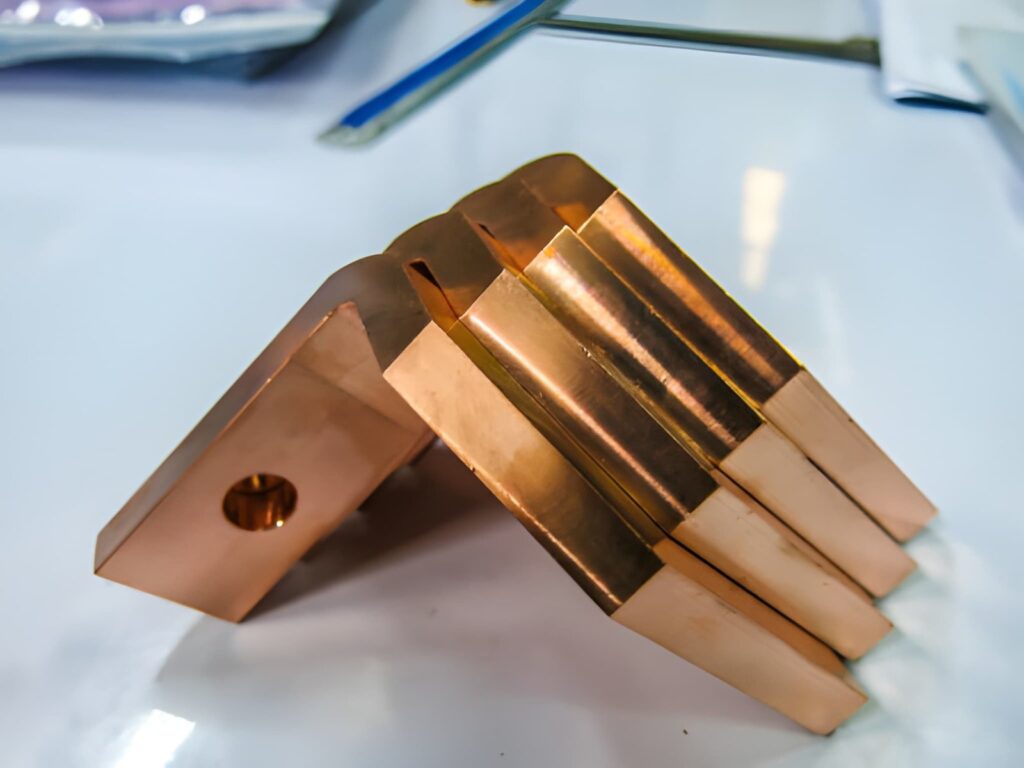
Copper parts with a drilled hole
Copper is a very versatile metal, which is rated highly in terms of its great electrical and thermal conductivity, corrosion resistance, and durability.
Most commonly, it is used in electrical wiring, such as power cables, busbars, and household circuits, where a high level of conductivity must be reliable. Copper pipes may be used in plumbing in water supply systems; this is because of their durability, performance, and corrosion resistance.
The thermal conductivity of copper is superb in heat sinks, heat exchangers in industry, and other devices where there is a need to achieve efficient transfer of heat. It is applied in electronics in circuit boards, connectors, and transformers due to its performance and reliability.
In architecture, copper can be utilized in roofs, gutters, cladding, and sculptures both functionally and aesthetically, to form an inherent patina in the long run. It is useful in the touch surface of the hospital, such as door handles and bed rails, due to its antimicrobial properties. Coinage and telecommunications cables also make use of copper as well as its alloys, which facilitate durability and effective transmission of signals.
Copper and brass are common and popular in CNC machining, yet they possess their unique features, which influence the performance, cost, and durability. Brass, which is a mixture of copper and zinc, is strong, resistant to wear, and highly machinable and therefore used to produce components such as fittings, gears, and decorative parts. Copper is a pure metal that is excellent in electrical and thermal conductivity, resistance to corrosion, and biocompatibility, and therefore is suited for electrical, medical, and heat-transfer applications. As much as brass offers superior resistance to abrasion and low friction, copper offers high conductivity and long life in corrosive conditions. The appearance, machining needs, and cost also play a role, with the brass having a golden-yellow finish and the copper a reddish-brown finish. The correct type of material will guarantee the manufacture of quality and reliable CNC components and satisfy both practical and aesthetic requirements.
Not sure whether copper or brass is the right fit for your CNC project? Apexrapid experts help you make the right call. We guide you through material selection, machining options, and cost considerations to ensure the best results for your parts.
Reach out today and get precision components that match your performance goals and budget.
Overall, copper is cheaper due to its high level of availability and recycling. The cost of brass is high when compared to copper, because the extra components on the brass add complexity to the material as well as the overall price.
Brass can experience corrosion cracking or dezincification, especially in high-zinc alloys exposed to ammonia or chloride environments. It also has lower electrical conductivity than copper, which makes it less suitable for applications that require high conductivity.
Brass jewelry is usually harder, more durable, and more resistant to tarnish than copper. It also offers a gold-like look at a lower cost. Copper is softer and easier to shape, especially for wirework, but it oxidizes more quickly and can leave green marks on the skin.

HDPE VS. PP: Strength, Machinability, and Applications

CNC Plastic Machining: Plastic Selection, Machining Processes & Key Applications

A Complete Guide to Aluminum Sheet Metal Fabrication

Deep Hole Drilling: What It Is & How It Is Done?

Rapid Prototyping: All About Process, Techniques, Pros & Challenges & More

All-Inclusive Guide to Laser Cutting Aluminum